

Turning your passion for arts and crafts into a business is exciting and intimidating. You want the freedom to create what you love without worrying about the technical side. That’s why we’re here to help you navigate the risks with 10 easy steps on how to start a handmade business.
10 Steps to Start Your Handmade Business the Right Way
Selling your handmade crafts successfully doesn’t require a ton of experience. With the right preparation (including getting handmade insurance) and a clear plan, you can avoid common financial or legal surprises and protect your business from the unexpected.
Step 1: Pick Your Product
Consider these two questions before choosing the product you want to sell:
- Is it fun to make and easy to reproduce?
- Do people want to buy it?
Before you begin building your stock, do some research to ensure there’s a market for your products. Here’s how:
- Ask friends and family: Get early and honest feedback about your products by asking loved ones what they like, what they don’t, and why
- Browse online marketplaces: See who’s selling similar products on marketplaces — like Etsy, Redbubble, or Amazon Handmade — and look through customer reviews
- Use social media: Join a few Facebook groups, look at other sellers’ profiles, or use your stories to create polls and gauge interest
- Visit craft shows: See firsthand what other makers in your area sell, how they display their work, and which shows they attend
These niche markets provide insights about who your customer is, what they value, and how to make your unique handmade products stand out from the competition.
Step 2: Craft Your Brand Identity
Your color palette, story, and brand voice create the vibe your customers feel when they see your products. Your brand identity is a combination of these and a visual reminder of what inspires you.
Use the info you gathered in step one to understand how your product fits your market and target audience. Consider what visual elements complement your brand’s personality. Check out these examples to help you get started:
- Luxurious and sophisticated: Opt for subdued neutral hues, a script font, and watercolor graphics
- Bubbly and exciting: Play around with bright pastels, display fonts, and kawaii style patterns
- Simple and serene: Pair a sans serif font with nature-inspired colors and botanical imagery
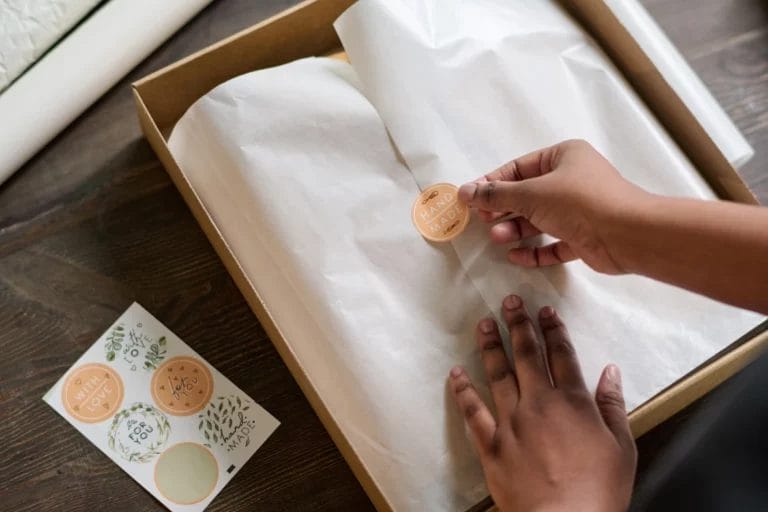
The most common places people notice your brand are on your packaging, website, and at your vendor booth at shows. Reinforce your branding with stickers, business cards, and clever signage.
Step 3: Draft Your Business Plan
Even a creative side hustle needs a business plan. While it doesn’t need to be set in stone, startups that have one are 16% more likely to launch a viable business.
Every business plan is a little different, but it should include these key sections:
- An executive summary
- Mission and vision statements
- Your products and services
- Legal structure (more on that in a minute)
- Market analysis and strategy
- Financial breakdown
- Certificate of Insurance (COI)
Check out our deep dive into how to create your business plan for more details (we even created a free downloadable template to get you started).
Pro Tip: If you need funding to support your growth, banks, credit unions, and other investors require a business plan for loan consideration.
Step 4: Choose What Type of Business You Are
Most handmade businesses start out as a sole proprietorship, meaning one person (you) owns and runs the business. It’s the most affordable and easiest way to get set up without registering with the state.
The plus side? You pay fewer taxes than a limited liability company (LLC) and have full control over your business activities.
The down side? You are personally liable for any debts or lawsuits that arise from your business and your products. (In other words, you need artisan liability insurance to stay protected.)
Sole Proprietorship vs LLC
A small business might register as an LLC if they have employees, seek funding, or start to earn more revenue. There’s more paperwork involved and you must register with the state.
| Business Structure | Ownership | Liability | Registration | Taxes |
|---|---|---|---|---|
|
Sole Proprietorship |
One owner |
Owner is fully liable for all business debts and legal obligations. |
❌ State registration ✅ Business name ✅ Local licenses/permits |
✅ Personal tax return ✅ Self-employment tax |
|
Limited Liability Company (LLC) |
One or more members |
Owner’s personal assets are generally protected from debts and liabilities. |
✅ State registration ✅ Business name ✅ Local licenses/permits |
✅ Personal OR corporate tax return ✅ Self-employment tax |
*This chart includes information from the U.S. Small Business Administration website.
Step 5: Make it Official (Legally and Financially)
Registering your business name and getting the right licenses protects you from certain liabilities. It also secures special tax benefits.
“Once you have a name you love, lock down the website URL and the matching social media names. This way, as you are setting things up, you don’t have to worry about anyone else getting your name.”
– Roberta Perry, owner at ScrubzBody Skin Care
Here’s how to register a handmade business in your state:
- Register your name: If you’re a sole proprietor and your business name isn’t your full, legal name, you must register it. Following a trademark search, visit the U.S. Small Business Association (SBA) website to learn how to register. Then, register your name as a “Doing Business As” (DBA) and pay the filing fee.
- Get the necessary permits and licenses: Check with your local chamber of commerce or county clerk’s office to see what permits or licenses you need for your specific business.
- Open a business bank account: This allows you to separate your business and personal finances so you can keep track of profit or loss, making it easier to file your taxes.
- Get an EIN number (optional): Hiring someone other than your spouse? You’ll need an employer identification number (EIN) for tax purposes. The good news is, they’re free on the IRS website.
Keeping Track of Finances
If managing your own finances sounds overwhelming, software like QuickBooks helps automate the process. Use their beginner tier to organize invoices, calculate sales tax, and track expenses.

Step 6: Protect Your Business with Handmade Insurance
You’ve put so much work into creating your dream business. Why risk it by not having insurance?
Even something as simple as an allergic reaction to your product could cost you thousands. If you want to save your business from unexpected risks, you need a handmade insurance policy. Look for a policy that includes these key coverages:
- General liability: Covers the cost of medical bills, lawsuits, and repairs for third-party accidents related to your business
- Product liability: Essential for handmade sellers, product liability pays for injuries or damages caused by your products after they’re sold
- Personal and advertising injury: Safeguards your creative business in case of libel, slander, or advertising mistakes
- Damage to premises rented: If you rent an art studio, shop, or market stall, this coverage helps pay for accidental damages
Does my creative side hustle need insurance?
You bet! Whether you’re a hobby crafter or full-time artisan, if you sell your products, a handmade insurance policy keeps you from emptying your savings if and when a claim comes up.

“You may think you don’t need insurance “yet,” but if you’re treating your craft like a business, that protection should be part of your foundation from day one.”
– Jen Street, owner of Forged Flare
Pro Tip: Because your business is all about creating beautiful handmade items, it’s especially important your policy covers product liability claims — once a customer walks away with their purchase, you could be on the hook if something goes wrong. Check your policy documents to ensure you have the coverage you need.
Step 7: Price Your Products
Figuring out how much to charge for your handmade goods can be challenging. You want to be fair, but you also want to make a profit.
When pricing your work, think about the materials used, how much time and effort they took, and their overall value. Compare your prices to similar products, but don’t sell yourself short.
Step 8: Open an Online Shop
Social media and digital marketplaces like Etsy make it a breeze for makers to sell their work. It’s a great first step before building your website, especially if your business is part-time. Research which platforms are best for you by looking at their fees and services.
Ready to start your own website? Check out our guide to selling art online for tips. Don’t forget to read up on how to protect your business from online risks like fraud, scams, and product claims, too!
Take Photos Of Your Work
Before you open an online shop, you need high quality images of your products. It doesn’t take an expensive camera, either. All you need is your phone, natural lighting, and a clean background to start.

Step 9: Sell at Fairs, Markets, and Festivals
When you set up a vendor booth at a handmade market, you can get real-time feedback from customers. Bringing your art to the community provides a glimpse of how other makers run their businesses, and it helps build brand awareness.
Not sure which events to attend? Check out our Top Arts & Crafts Events by State.
Pro Tip: You’ll need vendor insurance to qualify for most arts and crafts events. When you purchase a policy with ACT, you’ll receive an instant certificate of insurance plus free additional insureds and protection for your in-person and online sales.
Step 10: Grow at Your Own Pace
Growth doesn’t happen overnight, and that’s okay! Instead of comparing yourself to other handmade businesses, see them as inspiration and a source of guidance.
Remember you’re building something unique to you. Embrace the idea that slow and steady wins the race to avoid burn out. Stay motivated with small, manageable goals and celebrate every win, from your first sale to simply learning something new.
“Starting a handmade business is overwhelming — I’ve been there. But if I’ve learned anything, it’s this: you don’t need to have it all figured out to begin. Take one step, ask questions, build smart, and don’t forget that you’re allowed to ask for help.“
– Jen Street

FAQs About How to Start a Small Business for Handmade Products
Do I need a business license to sell handmade goods?
Yes, you need a business license to sell handmade goods. This can vary by location, so check with your local and state governments for specific requirements.
How can I legally protect my handmade business?
Having the correct business licenses, permits, and handmade liability insurance can help protect your business from certain legal and financial risks.
Do I need insurance to sell my handmade crafts?
Yes. Handmade business liability insurance helps protect you from lawsuits, product defects, and other unexpected risks so you can operate safely.
Can you make a living selling handmade goods?
Many artisans make a decent living selling their handmade products. When starting out, you’re likely to reinvest most of your profits back into the business so you can continue to grow.
