

If mixing fragrance oils, pouring molds, and lighting your first handmade candle sparks joy in your heart, you might’ve wondered, “Could I actually sell these?” The answer: yes! But going from YouTube tutorials to your own shop takes a clear plan, a realistic look at costs, and plenty of practice.
This 7-step guide covers how to start a candle making business, including a simple business plan, labeling tips, and cost estimates so you can start selling with confidence, not guesswork.
Quick Look: 7 Steps to Start a Candle Making Business
- Choose your niche to stand out in the candle market
- Write a business plan using our free craft business plan template
- Set up your business legally with a license, tax ID, and liability insurance
- Get your candle recipes right by testing multiple batches for scent and safety
- Label your candles in compliance with laws and regulations before you sell
- Price your candles to be competitive and profitable
- Start selling your candles online, at markets, and eventually retailers
🕯️Ready to make your first sale? See how candle making insurance from ACT protects your business, your candles, and your peace of mind.
1. Choose Your Candle Niche
Your target audience, branding, and how your candles look and feel are all part of finding your creative niche. This helps your candles stand out at farmer’s markets, in boutiques, and online, so you’re not competing as “just another candle.”
You need more than a pretty scent profile or aesthetic. To choose a niche that sells, know who your ideal buyer is, how their interests align with your products, and where they like to shop.
Here are some niche ideas for a candle making business and where they might sell best:
| Niche Idea | Ideal Buyer | Where to Sell |
|---|---|---|
|
Clean, minimalist “home spa” candles |
Self-care shoppers, busy professionals, and gift buyers
|
Amazon Handmade, Instagram, local spas |
|
Luxury “designer-inspired” candles
|
Premium shoppers, home decor fans
|
Online website, boutiques, and retailers
|
|
Cozy seasonal scents |
Seasonal decorators, gift buyers
|
Markets, Etsy, retailers |
|
Astrology or zodiac-themed candles |
Spiritual shoppers, gift givers, trend buyers
|
Festivals, local boutiques, TikTok
|
|
Subscription “scent of the month” |
Repeat buyers who like novelty
|
Shopify subscriptions, email lists
|

2. Write a Candle Making Business Plan (Free Template)
Like gluing in a wick before pouring the wax, having a solid business plan keeps your candle business steady, centered, and ready to sell. It’s okay (and expected) to change your plan over time much like refining a fragrance blend until it’s just right.
Here’s a quick overview of what goes into a candle making business plan:
- An executive summary
- Mission and vision statements
- Product and pricing information
- Market research
- Your legal structure and Certificate of Insurance (COI)
- Budget and financial projections
- Marketing strategies
Read more about how to write a craft business plan, or download our free template below to get started.
3. Set Up Your Business Legally
Showcase your specialty with a business name that feels on-brand both for you and your products. Once you’ve settled on the best fit, set up your candle business legally using these steps and resources:
- Choose a business structure: Many candle makers start as sole proprietors, but a limited liability company (LLC) can help separate your personal and business finances as you grow.
- Register your business name: Learn how to register your business through state and local authorities by visiting the U.S. Small Business Administration (SBA) website.
- Obtain a federal tax ID: An Employer Identification Number (EIN) is a free federal tax ID from the IRS that you need to open a business bank account, qualify for tax exemptions, and buy from wholesalers.
- Apply for licenses and permits: Depending on where you live, you’ll likely need a seller’s permit to collect sales tax. Check with your local chamber of commerce to see what other home business licenses you might need.
- Purchase liability insurance: Candles are high-risk products, so you need candle making insurance to protect your business from liability and qualify for loans or contracts.
Pro tip: Want more support as you get started? Put your creative ideas to work and get more business-building tips with our guide to starting a handmade business.
4. Get Your Candle Recipes Right
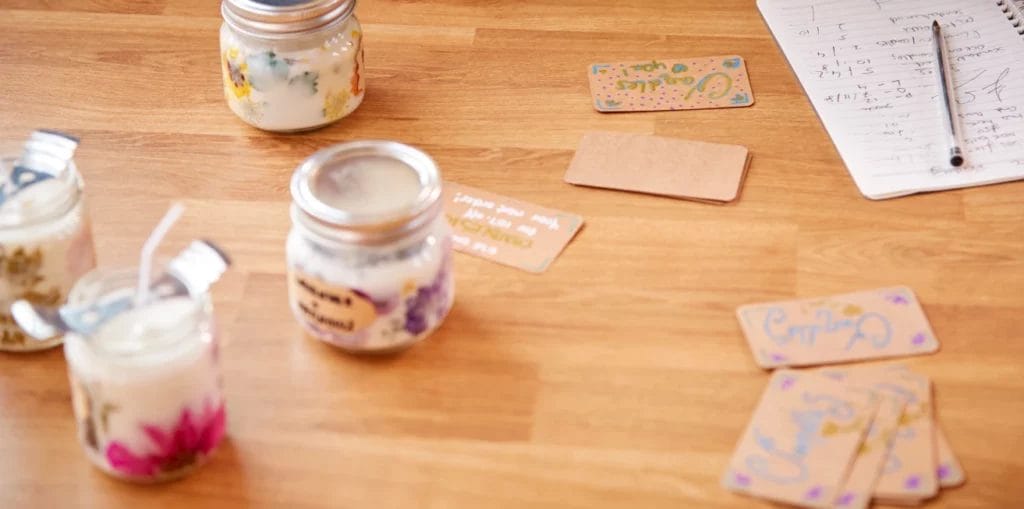
Starting a candle business from home often involves weeks or months of testing, because consistency and safety matter as much as a great scent. Before you sell, test small batches for burn performance, scent throw, and safe use, and keep notes to repeat your results.
Candle making pros recommend following the Armatage Candle Company’s “84 Candle Rule,” which advises you to make around 84 candles for practice, then give most of them away. That way, you can get real-world feedback and build consistency before you start selling.
Since candle making can get technical fast, lean on expert resources like the National Candle Association (NCA) and CandleScience for guidance on burn testing, safety standards, and sourcing materials.
5. Label According to Industry Standards (Warnings, Claims, & What to Avoid)
Clear labels help customers use your candles safely and reduce your risk if something goes wrong. Since candles come with real fire-related “what ifs,” many makers pair strong labeling with insurance for more reliable protection.
In the U.S., the Fair Packaging and Labeling Act (FPLA) requires consumer products to include basic info on the label, such as:
- What the product is (ex: “Scented Candle”)
- Your business name and contact information
- Net quantity/weight (ex: “Net Wt. 8 oz / 227 g”)
The Federal Hazardous Substances Act (FHSA) also requires cautionary labeling for consumer products that are flammable or hazardous. Following fire-safety labeling standards helps customers burn candles safely and reduces the chance of claims. Visit the NCA’s website for an overview of candle safety standards.
⚠️ Good labels reduce risk, but they don’t eliminate it.
Product liability insurance can protect your business if someone claims a candle you sold caused injury or property damage, such as a fire caused by an overheated glass jar.
What If My Candles Are Aromatherapy-Based?
If you market candles with health benefits, you may trigger extra scrutiny from consumer protection agencies like the Food and Drug Administration (FDA). A safer approach is to describe scent notes and mood without promising health outcomes.
Here are some examples of what to say (and what to avoid):
| Do: | Don't: |
|---|---|
|
✔️ Cozy, relaxing vibe |
❌ Helps you sleep better |
|
✔️ Spa-inspired scent |
❌ Relieves migraines |
|
✔️ Fresh, clean scent profile |
❌ Detoxifying |
6. Price Your Candles for Profit
Handmade candles often have strong profit margins (up to 50%) because they cost little to produce, making them an ideal product when you’re just starting out.
An easy, competitive, and reusable formula for pricing your candles for profit is:
(Cost of Materials + Overhead + Labor) x 50% Profit = Final Price
Your overhead is a portion of the costs of your equipment, insurance, and utilities. Labor is how much you pay yourself (minimum wage or higher) divided by the time it takes to make each batch or candle.
The easiest way to use this formula is by the batch: calculate your total batch cost, then divide by the number of candles made. As a final check, adjust your price to compete with similar candles on the market, keeping your ideal buyer’s budget in mind.
7. Pick Where You’ll Sell (Online, Markets, Wholesale)
Selling at events like farmers markets, fairs, and festivals is an effective way to build experience selling and receive direct customer feedback. Use this to determine what sold best, what didn’t, and how you can improve your sales next time.
Heads up: you’ll need proof of vendor insurance, or a COI, to get into most events. This shows you’re covered for potential accidents, like if you spill hot wax on the venue’s floor or a customer cuts their hand on a chipped glass candle.
Once you know what customers like, you can start selling your products online to reach more buyers and make it easy for people to reorder outside of events. If you’re comfortable with the results, eventually you can reach out to local boutiques or expand into wholesale.
Pro tip: Craft fair insurance is a good start, but many candle makers need year-round coverage with product liability like ACT Pro to sell online, attend more events, and qualify for wholesale contracts.

How Much Does It Cost to Start a Candle Business?
Most home-based candle businesses can get started for around $1,000, but your actual expenses depend on the supplies you choose and ongoing costs like permits, seller fees, and insurance.
Here’s a breakdown of what to include when budgeting your startup costs:
- Supplies and ingredients (including those for testing)
- Labels and packaging
- Equipment (you’ll need more than a candle-making kit)
- Business setup costs such as filing fees, permits, and licenses
- Booth fees and/or online seller fees
- Insurance premiums
Early on, plan to reinvest a chunk of your sales into more supplies, equipment upgrades, and new sales opportunities. If you think you’ll need funding, your business plan and proof of insurance help support your business loan application.
Your Candle Making Business, Protected
The right scent sets the mood, and the right protection keeps your business steady from first pour to first sale and beyond. When you’re ready for markets, online orders, or wholesale, ACT’s candle making insurance supports you as your candles make their way into customers’ homes.
FAQs About How to Start a Candle Business From Home
Can I start a candle business from home?
Yes. Many candle making businesses start from home because it’s affordable and easy to scale. Once you’ve learned the basics of candle making, start by choosing a niche, writing a business plan, registering your business, pricing your products, and getting business liability insurance before you sell to the public.
What licenses or permits do I need to sell candles?
The licenses and permits you might need vary based on your location, but most candle businesses need:
- Business registration (sole proprietorship or LLC, depending on how you set up)
- A sales tax permit (to collect and remit sales tax)
- A Federal Employer Identification Number (EIN) (often required for taxes, wholesale accounts, or hiring)
- A home occupation permit or home business license (if you operate from home, depending on your local zoning rules)
You should also follow federal packaging and safety labeling rules, such as the Federal Hazardous Substances Act (FHSA) and the Fair Packaging and Labeling Act (FPLA), including appropriate fire-safety warning labels. Many sellers also carry general liability and product liability insurance to protect against injuries or damage claims related to their business or products.
Do I need insurance to sell candles?
Yes. Most candle businesses need the following types of business liability insurance:
- General liability insurance for third-party injuries or property damage tied to your business operations
- Product liability insurance for claims that a candle you sold caused injury or damage
Many craft fairs, markets, and online platforms require proof of general liability coverage. Product liability is especially important if you sell online, through boutiques and retailers, or wholesale.
What’s the difference between general liability vs product liability for candles?
General liability insurance is designed to cover accidents connected to your business operations, like someone slipping at your booth or property damage you cause while setting up at a market.
Product liability insurance can cover claims that a candle you sold caused injury or property damage, like if a defective glass jar explodes from the heat, causing fire and smoke damage.
