

Is having a niche really that important as a creative, or is being passionate about what you do enough to reach your audience? Having a creative niche shows consumers that what you make matters. Whether you’re selling pottery, prints, or jewelry, learning how to find your niche as a crafter gives your creative business the clarity and confidence it needs to grow.
Use these creative business niche tips to find the sweet spot between what you love, what you’re great at, and what people will buy. Plus, check out stories from crafters like Nicole and Hannah who found their niche and turned it into a sustainable business.
What a Niche Really Means for Artists & Crafters
A niche market for artists and crafters is a specific type or style of art that aligns with you and your target audience’s shared interests. Rather than limiting your creativity, a niche gives you the freedom to craft your brand identity and explore what you love.
A good artist niche is:
- Fun: Doing what you love is the foundation of success (and it prevents boredom). What do you enjoy making the most that you’d be okay spending several hours on each day?
- Fulfilling: A niche that keeps you inspired is easier to stick with, leading to a long-term career for you and sustainable growth for your business.
- Versatile: The best niches strike a balance between focus and flexibility. Too specific, and you’ll run out of customers; too broad, and you’ll blend in.
- Consistent: You want customers to recognize your work and have confidence in your expertise. Making dozens of unrelated crafts with different mediums only confuses them.
- Profitable: People actually have to buy what you’re selling. Choose something you make well enough that people are willing to pay for it.
Turning your craft into a business? See how Artist Insurance helps protect your work.
Why It Feels So Hard to Find Your Art Niche
Many artists become master procrastinators when choosing a niche. The idea of narrowing down your love for creating to a few projects feels like being told to sort through your crafting supplies and throw out what you no longer need — it’s just not gonna happen.
Artists and creatives are also more prone to imposter syndrome. This makes it hard to feel like you’re a “real artist” when you’re constantly comparing yourself in a market full of colorful minds like your own.
Finding your niche isn’t about being the best; it’s about being unmistakably you. Take the clay that is your craft and experiment with it, because that’s what artists are meant to do.
Expert Tip:
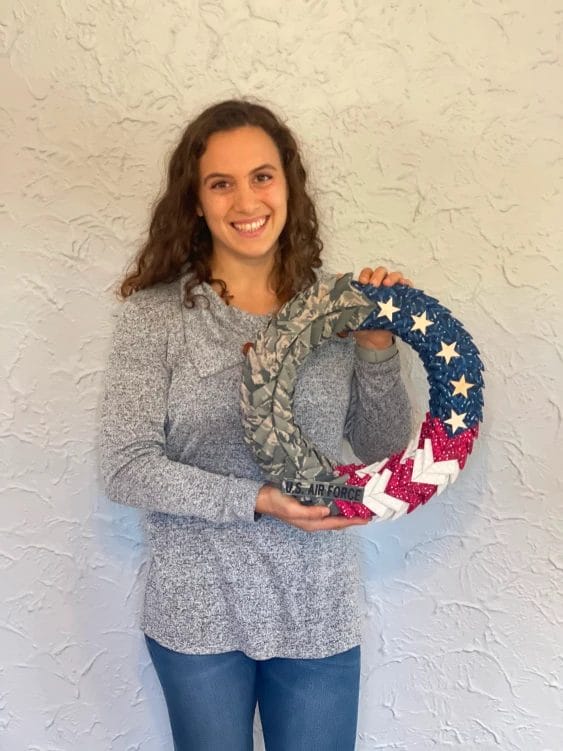
As a military veteran, Nicole leveraged her unique perspective and crafting skills to turn a side hustle for making wreaths out of military uniforms into a business. When finding a niche, she says:
“I always have two pieces of advice for people looking to start their own business:
First, you need to be authentic. Customers can feel when you’re not. If I hadn’t served in the military and didn’t have an interesting personal story, other veterans and their families wouldn’t entrust me with their uniforms.
Second, make sure the market has a need for the item you’re selling. For example, a lot of vendors make tumblers. What makes your tumblers so unique? Do they differ from what’s on the market?”
~ Nicole Zettlemoyer, Owner of Wreaths by Nicole P
5 Steps to Find Your Niche as a Crafter or Artist
Before we jump in, let’s start with the five elements of a niche. We won’t get too analytical, so keep these points in mind. They help give vague ideas a more specific direction:
🎨 The Elements of a Niche
- Use: How someone uses your piece, like whether it’s functional, decorative, or giftable
- Style: How audiences recognize your work in the marketplace (e.g., cartoon, realism, manga, etc.)
- Medium: The materials you use and why (think durability, anti-allergen, or sustainability)
- Subject matter: This covers the actual content of your artwork, or the visible image or topic
- Theme: How audiences resonate with your art or the message behind it (e.g., cultural heritage or light-hearted nostalgia)
Pssst. You can also use these five elements to craft the perfect art business plan.
1. List What You Love
Grab a piece of paper, your tablet, or open your phone’s notes app and start listing what pieces you love to make. It could be anything from drawing horses to crocheting mini mushroom keychains.
Need some inspiration? Check out our list of the most popular crafts to sell online. Add to your list over a period of a week or two (or longer, if you need it) and be as vague or descriptive as you like. You might even jot down a few niche ideas from the get-go.
2. Highlight What You’re Good At
Highlight or circle the projects that best fit your skills or that you’ve made in the past. You don’t have to be the best at the craft, but you should be able to make it with enough quality that people will buy it.
Choosing a product that looks trendy but you’re not fully comfortable making can be frustrating — and risky. When something’s rushed or poorly made, it increases the likelihood of an accident or defect once it’s sold, which is why having product liability insurance is crucial.
3. Research Your Audience
Research is crucial for artists in niche markets because it reveals where your ideal buyers shop — Etsy, craft shows, or social media — and what makes them feel connected to a product. Try this approach:
- Learn from other sellers: Search online marketplaces for other sellers that exist in your niche. (It’s good if they do!) Look at the reviews, check their prices, and see how often their products sell.
- Look at what’s trending: Type your craft idea into Google Trends to find out if there’s interest in your type of craft or niche, and look at related searches.
- Find gaps in the market: Have you ever looked for a highly specific gift and came up short? As long as there’s a dedicated audience and actual demand, you could fill that market gap.
- Join online communities: Social media is a great place to research your market, dig deeper into your niche, and engage with potential customers.
💸Is Your Niche Profitable?
Market research helps you see if your niche actually has an audience — and if that audience is growing. To make a profit, there needs to be real demand for what you create, and your products should sell for more than just the cost of your time and materials.
4. Make It Personal
Having a niche isn’t just about what you make; it’s about WHY you make it. Do your creations help people feel calm or evoke a sense of nostalgia? Do they provide a sense of belonging? The emotion or experience your work creates is what connects buyers with your art and gives it meaning.
Imagine you paint a standard kitchen still life, but it features a piece of rare Corningware that a buyer recognizes as the same dishes they’re grandmother had. Customers aren’t just buying a product, they’re buying how a piece makes them feel.
Start by asking yourself:
- What do I hope people feel when they see or use my creations?
- What part of my story shows up in my art again and again?
- What values do I share with the people who love my creations?
- How does my process or material choice reflect what I believe in?
- How do I want my business to make people’s lives better?
Knowing the purpose behind what you do and why helps you create more consistent work, connect with your audience, and make confident decisions about your business.
5. Test, Tweak, and Repeat
Once you’ve done the research and found a niche you love, don’t be afraid to jump in and get started. Create what you want to sell, brainstorm ways to market it, and put your craft out there!
One of the best ways for artists to start selling their creations is by attending local events like art shows, craft shows, and festivals. Use our Event Finder to find art events near you.
You’ll need a Certificate of Insurance (COI) to get into most events. Crafters liability insurance protects you from paying out of pocket for accidents like injuries or property damage. Grab your COI online with ACT Insurance and get the coverage you need in minutes.

Expert Tip:
After years of knowing her idea was something special, Hannah found bold, unexpected ways to attract attention to her niche:
“It’s easy to overlook Buckle Scrunchies at markets or pop-ups because people have to look twice to realize they’re more than just ordinary scrunchies.
To stand out, I’ve tested out so many different signs that will say outrageous things, sampled mini versions of my product, and collaborated in pop-ups where I’m the only or one of few vendors. That means doing pop-ups at random places and showing up in places that people don’t expect me to be.”
~ Hannah M. Le, Former ACT policyholder and Inventor & Founder of Buckle Scrunchies
What to Do When You Feel Stuck
Every artist hits that “nothing fits” wall, whether you’re still looking for a niche or you’re worried you chose the wrong one. The good news is, in a sustainable business, your niche is meant to evolve. What matters is that you start somewhere.
Here are a few exercises to help you feel less stuck and more inspired:
- Take a reset day: Recharge your creative battery by dedicating a day to create without the pressure to sell — whether it’s once a month or whenever your brain needs the release.
- Analyze your portfolio: Take a step back and look at all your best works of art. See if you notice any similarities shared by the pieces you enjoyed making the most.
- Look at customer feedback: Find out what’s working and what’s not by going straight to the source. Read your product reviews, keep a “comments” book at your booth, or use your email list for feedback.
- Experiment with a limited series: Introducing something new and exciting to your lineup keeps your creative juices flowing and excites buyers. You could hop on a trend or appeal to another interest that’s common among your target audience.
- Try a new persona: If you’ve been in the same niche for a while and want to branch out without confusing loyal buyers, try a new medium or style under the guise of a different name.
Why Smart Creators Protect Their Business with Insurance
Once you’ve defined your niche, you’re not just creating — you’re running a real business. When your creativity becomes part of your livelihood, artist insurance is essential for protecting that livelihood from potential risks.
Turning your creativity into a career is a big deal. ACT helps you protect that progress every step of the way with coverage that’s crafted for you.
FAQs about Finding Your Niche as an Artist or Maker
How do I stand out as a crafter?
You can make your craft business stand out by honing your creative niche and building a brand identity that connects with your customers. A clear niche makes it easier for your target audience to find you, fall in love with your products, and recognize your brand.
Why is finding a niche important for my art business?
A niche helps your art business attract loyal buyers who value your specific style, not just your product. This helps you grow your business in the long-term. It also lets you focus your creative energy and skills where they are needed, which can simplify your branding and marketing efforts.
How do I protect my art business with insurance?
Protect your art business when you buy an ACT Pro policy online. Made for creatives like you, our artisans insurance gives you the protection you need in minutes so you can create and sell with the confidence that you’re covered.
What are some niche ideas for an art business?
Here is a list of niche ideas for art businesses to help you jumpstart your own brainstorming:
- Fantasy-themed hand-poured candles
- Pet portraits with story-book style illustrations
- Metal jewelry made from recycled materials
- Ocean-plastic resin earrings that fund beach cleanups
- Whimsical sticker packs for journaling or daily motivation
- Naturally dyed macrame plant hangers
- Local landmark prints or sketches
- DIY craft kits for people who love creating but need guidance
