
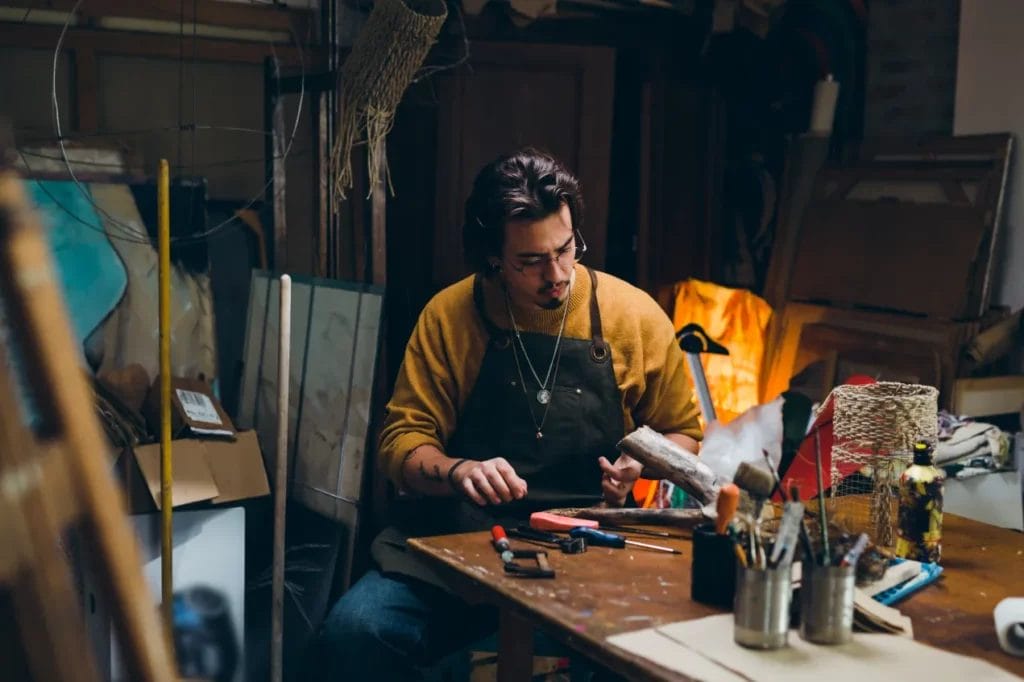
Beauty is in the eye of the beholder, but customer injury and property damage? Well, those are usually plain for everyone to see. Your products can get oohs and ahhs, but if they also have the potential to cause harm, it’s crucial to protect your business against liabilities.
If you can spare tens or hundreds of thousands of dollars over a design defect or mislabeling, then stop reading now! However, if you want to learn how product liability affects you, let’s get into it.
What Is Product Liability for Artists and Crafters?
Product Liability: Your legal responsibility for damages caused by your sold arts and crafts products
The moment your work leaves your studio or stall, it’s like a child interacting with the public. You can’t control if an unattended child runs amok or finger paints another artist’s finished canvas with grape jelly. Likewise, once your products are out of your hands, they can cause damage — and the possibilities are endless.
Here are some of the most common types of product liability claims:
- Design defects: The product is inherently unsafe because of how it was designed
- Manufacturing defects: Something went wrong as it was being created
- Marketing defects (failure to warn): The product doesn’t adequately warn the customer of potential risks or how to properly use it
Between 2013 and 2022, the number of product liability cases filed increased by about 74%, suggesting more consumers are learning about their rights and holding manufacturers accountable.
On the flipside, you can take steps to protect your customers and business by learning the risks involved with sales.
Pro Tip:
Claims over products sold are just one type of claim you might deal with. Discover the most common claims artists and crafters face.

Examples of Product Liability Claims
Your creativity: turned into something tangible. Your store: in full swing. So what can actually go wrong after customers leave with their haul in hand? Check out these product liability claims examples to see how you might be at risk.
Toxic Fumes From Uncured Resin Piece
An artist creates resin wall art pieces and sells one to a customer who loves the swirling ocean-like details. The customer hangs the piece in a small, poorly ventilated room, unaware the resin elements have been improperly cured.
Due to the toxic fumes, the customer experiences nausea, headaches, and trouble breathing, which is exacerbated by their chronic asthma. They require medical treatment, plus air quality inspection and cleanup in their home.
Claim: Injury due to chemical exposure
Payout Estimate*: $43,000
Prevention Tip: Implement a safety checklist for product creation so you never accidentally miss a safety step.
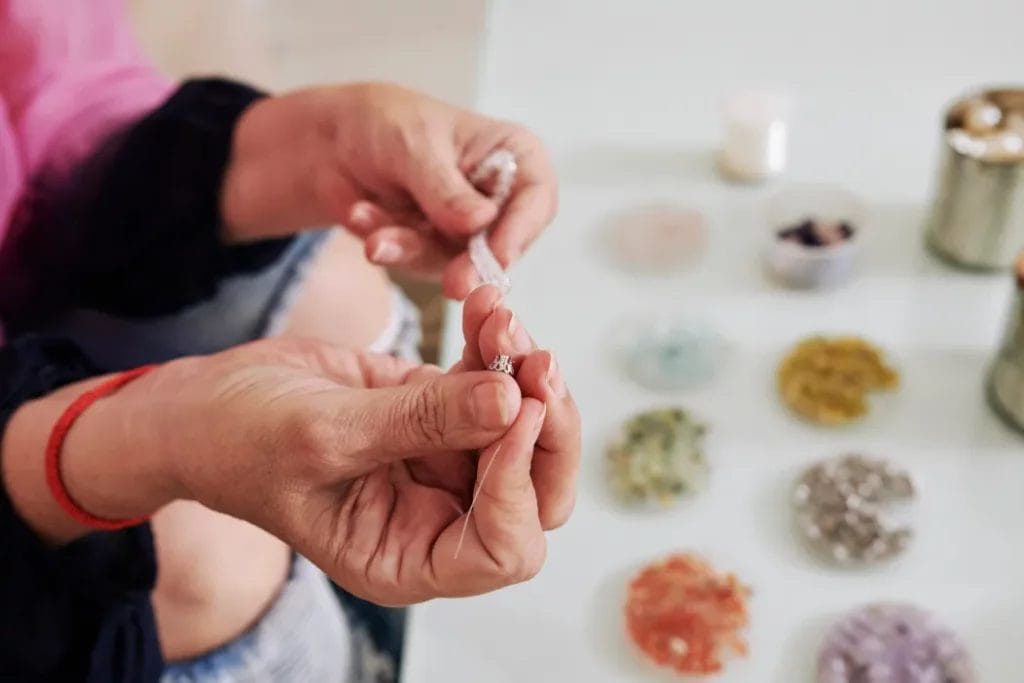
Emotional Distress Caused by a Faulty Jewelry Clasp
A customer purchases a crafter’s stone-beaded necklace. The customer thinks the gleaming strand would be the perfect piece to flaunt their valuable heirloom pendant, so on it goes!
However, the necklace clasp fails, causing the customer to lose the one-of-a-kind pendant that was passed down from generation to generation. They’re distraught and blame the jewelry maker.
Claim: Product defect and consequential loss
Payout Estimate*: $28,900
Prevention Tip: Use high-quality materials and include a care guide with a note advising customers not to attach irreplaceable items to the jewelry pieces.
Skin Reaction to Print-on-Demand Tee
An artist sells their quirky illustrations through a POD (print-on-demand) platform. A customer falls in love with one of their designs and excitedly buys a t-shirt. When it arrives, the customer wears it and suffers a severe skin reaction.
It turns out the ink used during printing contained a chemical allergen — and it wasn’t disclosed on the product listing.
Claim: Failure to warn
Payout Estimate*: $14,500
Prevention Tip: Work only with suppliers who use certified skin-safe inks and include allergy disclaimers on product pages.
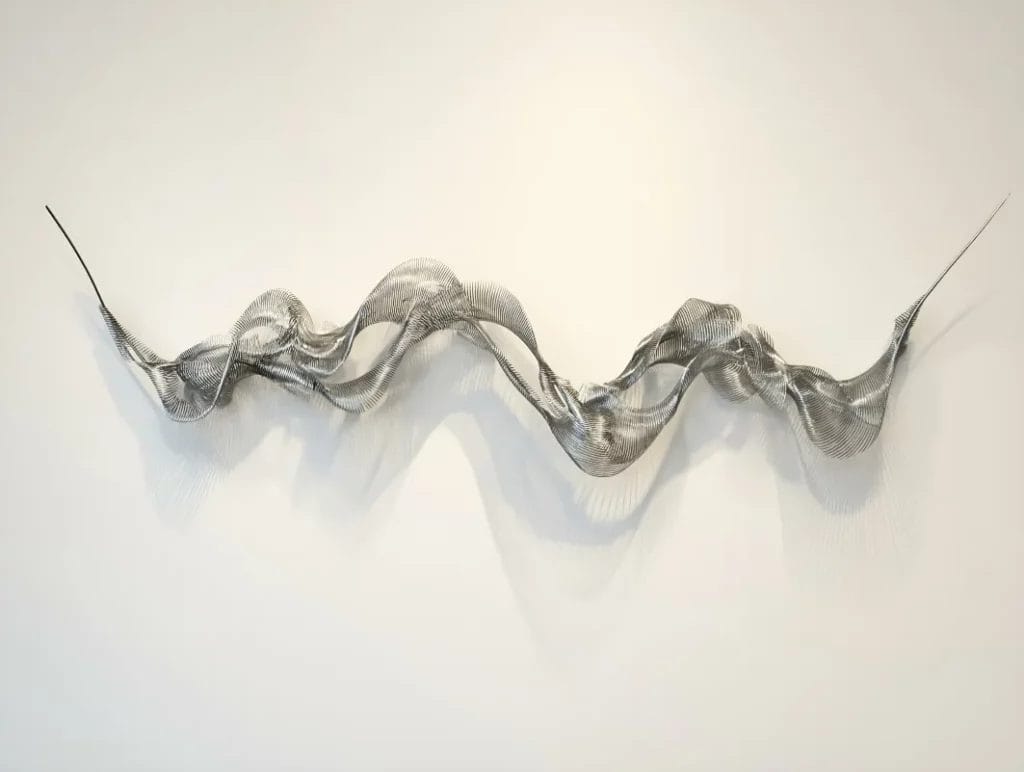
Custom Metal Sculpture Cuts a Child
An artist creates a commissioned metal sculpture with sharp, exposed edges. The customer happily receives the custom piece and displays it on their wall. One day, a neighboring family visits the customer’s home, and their child, intrigued by the shine, jumps up to touch one of the sculpture’s points.
The child suffers a deep cut on their arm, which requires stitches. Who will the parents hold accountable? The artist, of course.
Claim: Bodily injury due to unsafe design
Payout Estimate*: $21,200
Prevention Tip: Round off sharp edges and/or provide warnings about placement and potential hazards with each sale.
Vintage Rug Ruined by Handblown Glass Pitcher
A glassblower sells one of their unique glass pitchers at a weekend market. The customer takes it home and, on a warm day, decides to use the handblown pitcher to serve a sangria mix as they host guests.
Due to the thermal stress, the pitcher cracks, pouring the red punch all over a vintage, cream-colored rug. It’s permanently stained.
Claim: Property damage
Payout Estimate*: $15,000
Prevention Tip: Include handling instructions emphasizing that the pitcher is fragile and not recommended for heavy use.
👉In all of the above scenarios, would you say the artist or crafter was to blame? Well, the truth is — it doesn’t matter if they were or not. Here’s an important concept for you to know.
Strict Liability: An artist or crafter can be held legally responsible if their product causes harm, even if they didn’t do anything wrong or know it was dangerous
*Payout estimates calculated based on real-world claims examples, AI generation, and input from an ACT Insurance program manager.
How to Protect Yourself From Product Liability Claims
Include Disclaimers
Make it easy for customers to understand how to use — and not use — your products safely. Include clearly written disclaimers to help limit liability, especially for breakable or handmade items.
For example, “For decorative use only, please keep out of reach of children.”
Test Your Creations
Keep Detailed Records
Track your materials, product batches, and customer information so you have all the details ready in case of a claim.
Keep a record of things like:
- Batch numbers
- Supply sources and dates
- Order details and communication with customers
Use Clear, Accurate Photos and Descriptions
Customers can claim they thought the product was meant for a particular use based on your photos or descriptions. Don’t leave any room for misinterpretation. Be upfront about size, materials, fragility, and intended use on each product listing.
Carry Product Liability Insurance
The number-one thing you can do to protect your business is get craft product liability insurance. This coverage is designed to cover claims relating to your products after the sale.
It covers:
- Customer injuries
- Property damage
- Allergic reactions
- Product defects
- Mislabeling
Remember the claims payout numbers from earlier? If you don’t have the right insurance, you’d be on the hook to pay those fees out of pocket. Product liability coverage kicks in to cover the cost of legal defense, medical fees, and damages awarded, so you don’t take the financial hit alone.

ACT Insurance: Coverage Crafted for Your Creativity
ACT Insurance offers a comprehensive policy called ACT Pro for artists, crafters, and makers.
ACT Pro covers your business year-round, and, most importantly, includes product liability insurance to cover your products once sold.
If you:
- Sell your product in person and online
- Want robust coverage for a full 365 days
- Need coverage against theft or inventory damage
- Create commissioned pieces
- Teach classes or workshops
- Store customer data online
- Want to sell with peace of mind
… then the ACT Pro policy with optional coverage add-ons is the perfect fit for your business. Plus, now that you know why you need product liability insurance, you can get covered online in just a few minutes. ACT Pro is seamless, flexible, and keeps up with your creativity.
How to File a Product Liability Claim With ACT
If you ever need to file a claim — fingers crossed you don’t — ACT is there for you every step of the way. Here’s how it goes.
- Log in to your online user account
- Head to “Manage Policies”
- Click on “File a Claim”
- Fill out your claim info
Submit
In about 24-48 hours, a claims adjuster will reach out to walk you through the next steps.
Put the Finishing Touch on Your Creative Business
FAQs About Arts & Crafts Product Liability Claims Examples
What Is the Most Common Cause of Product Liability Claims?
How Do You Prove a Product Liability Claim?
What Is Negligence in Product Liability Cases?
Negligence is when you do not take reasonable care in product design, creation, and labeling. It means you haven’t done what is reasonably expected of an artist selling handmade products.
What Other Liabilities Should I Protect My Business From?
You should also protect your arts and crafts business from:
- General liability: Third-party injuries and property damage caused by your business
- Professional liability: Damages caused by your professional advice or services
- Cyber liability: Data breaches that affect your and your client’s sensitive information
- Theft and damage: Loss or damages of business tools, supplies, and inventory
All of these coverages are available through the ACT Pro policy! See how they protect you by reading real artist and crafter claims examples.

JoAnne Hammer | Program Manager
JoAnne Hammer is the Program Manager for ACT Insurance. She has held the prestigious Certified Insurance Counselor (CIC) designation since July 2004.
JoAnne understands that starting and operating a business takes a tremendous amount of time, dedication, and financial resources. She believes that insurance is the single best way to protect your investment, business, and personal assets.
JoAnne Hammer is the Program Manager for ACT Insurance. She has held the prestigious Certified Insurance Counselor (CIC) designation since July 2004.
JoAnne understands that starting and operating a business takes a tremendous amount of time, dedication, and financial resources. She believes that insurance is the single best way to protect your investment, business, and personal assets.
